
Healthy Beverage Trends: How Consumers Are Choosing Smarter Options
Now more than ever, healthy beverage trends are shaping the industry. Consumers are becoming increasingly health‑conscious and looking for drinks that offer convenience and great taste — without empty calories or additives. Lucky for them, companies are responding quickly. With a growing range of healthy choices, consumer cravings can now be satisfied.
Check out what alternatives and tools are available to help consumers reach their health goals:
1. Cold brew:
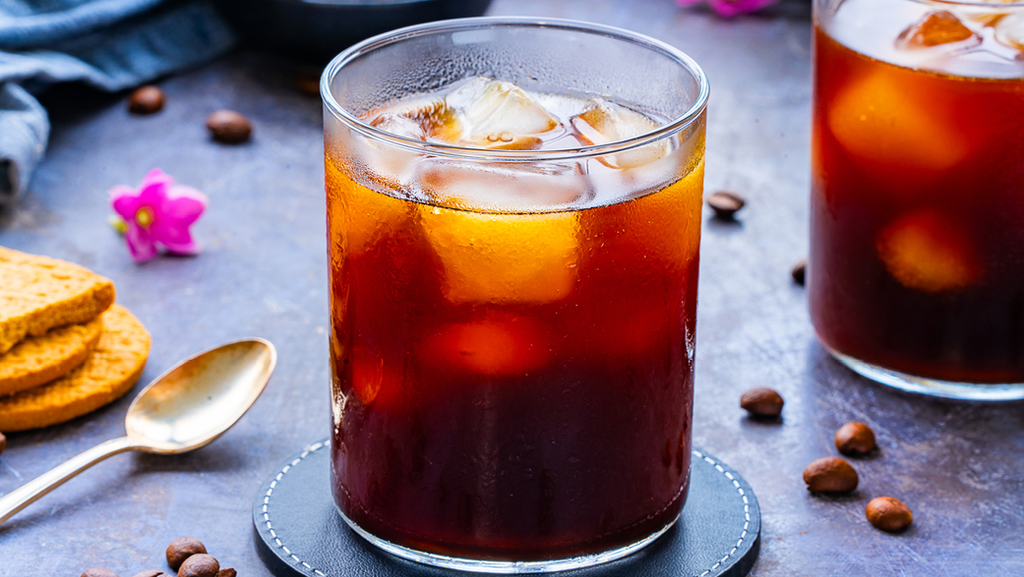
The cold brew coffee phase isn’t new, but it has become far more mainstream. Cold brew uses room‑temperature or cold water and brews for 12 to 24 hours. Because it’s made without heat, the flavour is fuller and less acidic than regular coffee. Bitter oils and fatty acids — including ketones, esters, and amides — stay behind. The familiar “bite” of hot coffee disappears, leaving a smoother, richer taste.
2. Earthy flavours:
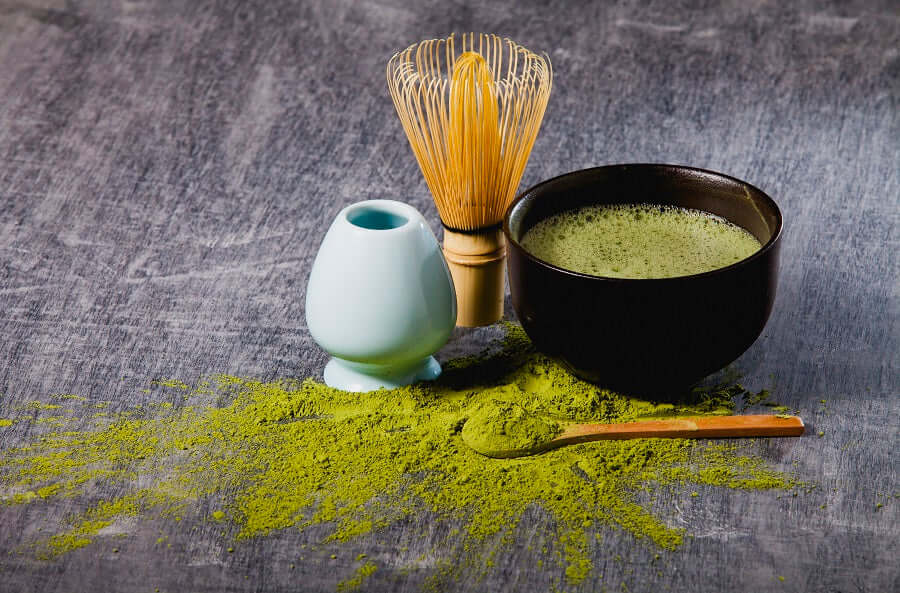
This year, consumers are gravitating toward natural flavours such as matcha, turmeric, dandelion, chamomile, coconut, and ginger. The demand for clean, healthy options will continue into 2018, with turmeric and coconut remaining especially popular.
Turmeric offers hints of orange and ginger and is known for reducing cholesterol and supporting diabetes management thanks to its antioxidant and anti‑inflammatory properties. Coconut adds flavour and sweetness while providing nutrition through its nutmeat, juice, milk, and oil.
3. All-natural, clean packaging:
The clean‑label trend emphasizes simple ingredients and clean processing. This includes beverages made with healthier components and packaging that uses safer materials. Cartons and glass help eliminate unwanted chemicals that can seep into beverages.
Transparent labeling also builds trust with consumers. People want to see nutrients such as vitamin D, potassium, calcium, and iron, along with simple organic ingredients. Kombucha is a great example — a fermented, lightly sweetened black or green tea that supports gut health and boosts immunity with its antioxidant properties.

4. DIY:
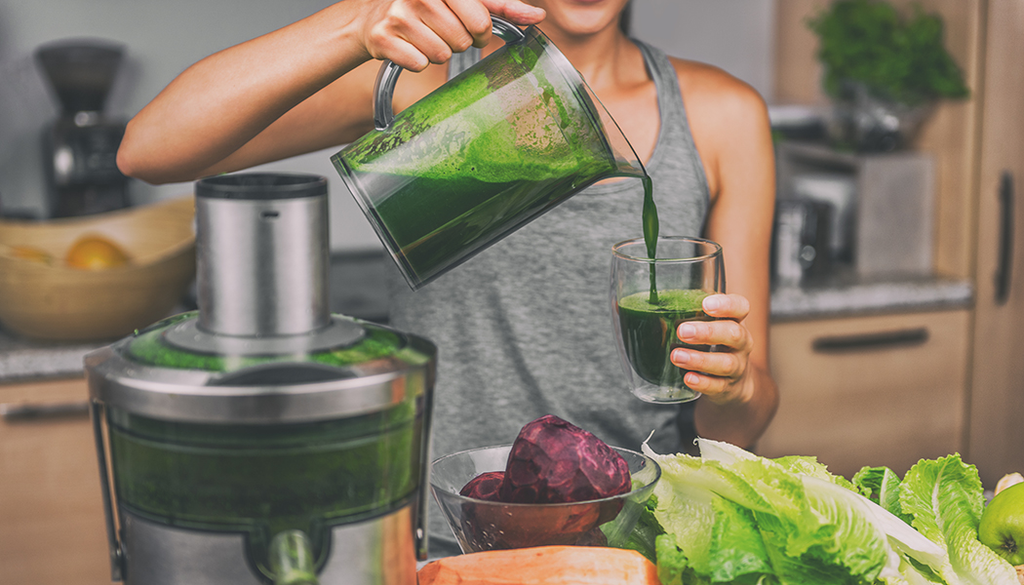
Taking matters into your own hands gives you full control over what you eat and drink. Smoothies and pressed juices are two popular examples. Juicing is one of the easiest ways to get essential nutrients because it preserves most of the vitamins, minerals, and plant compounds found in whole fruits and vegetables.
For those who struggle to eat whole vegetables, juicing offers a simple way to enjoy the benefits. Another DIY trend is using base mixes to create cocktails or lemonades — letting you become your own bartender.
5. On-the-go:
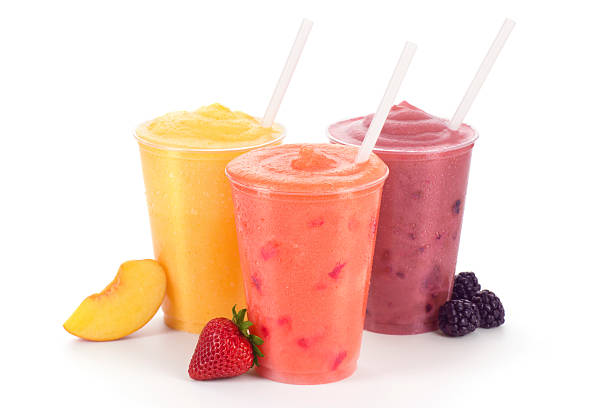
With busy schedules, portable drinks are one of the easiest ways to get fruits, vegetables, and energy throughout the day. Smoothies and meal‑replacement drinks are great examples. Smoothies can include almost anything: cocoa, kale, spinach, protein powder, bananas, almond milk — the list is endless.
They’re also perfect for using fruits and vegetables that are about to expire. Most ingredients freeze well, and you can blend them in the morning for a quick, nutritious drink. For kids who dislike vegetables, smoothies are an easy way to disguise them and ensure they get their daily servings. For people with no time at all, meal‑replacement drinks offer refreshment, energy, immune support, sleep aid, blood‑sugar management, and more.
How Cemcorp Supports Healthy Beverage Trends
Looking to expand your business to include more of the options above? We can help. We specialize in complete plant designs for all types of food and beverage, including dairy, confectionery, jams, jellies, soft drinks, wineries, and more. Whether you want to update your packaging to be more environmentally efficient or test a new product, our experienced professionals will help you take your business to the next level.