The food processing industry continues to evolve, and 2017 brings a new wave of expectations, innovations, and regulatory changes. At Cemcorp, we believe in adapting to industry shifts to help manufacturers improve, automate, and streamline their operations. As a result, staying ahead of these trends is essential for success. Below are the key developments shaping food processing today — and what they mean for your business.
1. Innovative Solutions to Drive Down Costs
Manufacturers are facing pressure from all sides to reduce expenses. To address this, standardizing equipment and exploring automation are two effective ways to cut costs without compromising production quality. In addition, these strategies help improve efficiency, reduce downtime, and support long‑term operational stability.
2. Energy Efficiency
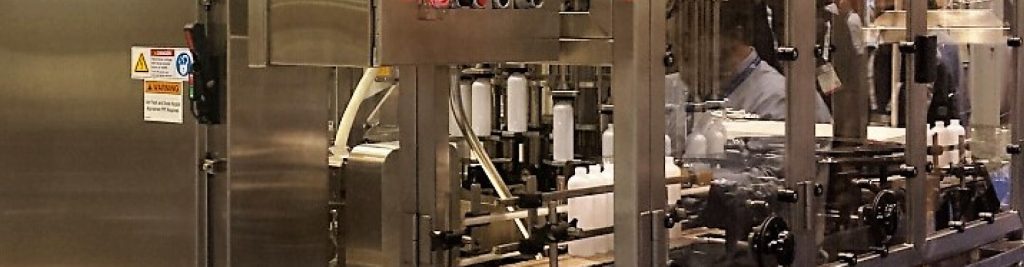
Energy reduction remains one of the simplest ways to save money while supporting environmental responsibility. By lowering energy consumption, companies can reduce operating costs and improve margins. Moreover, many facilities are now prioritizing energy‑efficient equipment and processes to stay competitive and sustainable.
3. A Refrigeration Strategy
Refrigeration compliance continues to gain attention across the industry. Consequently, the shift toward natural refrigerants helps reduce carbon footprints and supports sustainability goals. For example, new technologies — including the adoption of CO₂ instead of ammonia — offer cost‑saving benefits and improved environmental performance.
4. Organic and Clean Label Demand
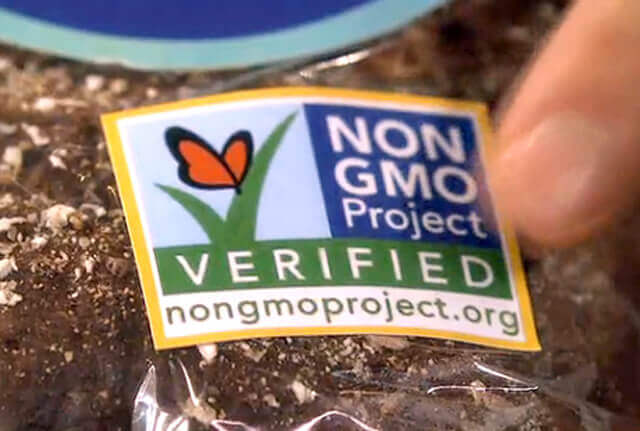
Consumers are increasingly seeking natural, minimally processed, and non‑GMO products. Therefore, manufacturers are adopting cleaner production methods and greater transparency. As a result, companies that embrace organic practices and clear labeling often see stronger customer trust and higher sales.
5. Globalization and Diverse Product Manufacturing
The specialty food market is expanding as consumer interest in new flavours grows. At the same time, immigrants are acculturating, and their food traditions are becoming more mainstream. Consequently, producing a diverse range of products can increase demand and attract new customers worldwide.
6. Tighter Regulations
Good Manufacturing Practices (GMP): The food industry follows strict GMP standards to ensure proper handling, sanitation, and quality control. In Canada, these practices are regulated by federal and provincial food inspection agencies.
Wastewater Management: Municipalities are enforcing stricter wastewater requirements. As a result, many facilities must install additional treatment solutions to meet compliance standards.
Worker Safety: Safety remains a top priority. Because WSIB insurance rates are influenced by a company’s safety performance, maintaining compliance with the Occupational Health and Safety Act is crucial. Ultimately, a strong safety record benefits both employees and operations.
How Cemcorp Supports These Trends
We work closely with clients to streamline food processing operations and design complete plants across industries such as dairy, confectionery, bakeries, wineries, and soft drinks. From start to finish, our expertise includes reactors, mixers, vacuum pans, feed tubes, blending systems, batch processes, and evaporators.
Additionally, we assist with packaging, automation, and meeting strict food quality requirements. Recently, we partnered with Redpath Sugar to improve their wet scrubber dust collection system. By redesigning equipment and process flow, we helped prevent sugar dust from collecting and entering the air — improving both safety and efficiency.
What Are Your Goals for 2017?
Whether you’re looking to reduce costs, improve compliance, expand product offerings, or modernize your facility, Cemcorp can help you navigate the evolving food processing landscape. Ultimately, embracing these trends will position your business for long‑term growth and success.